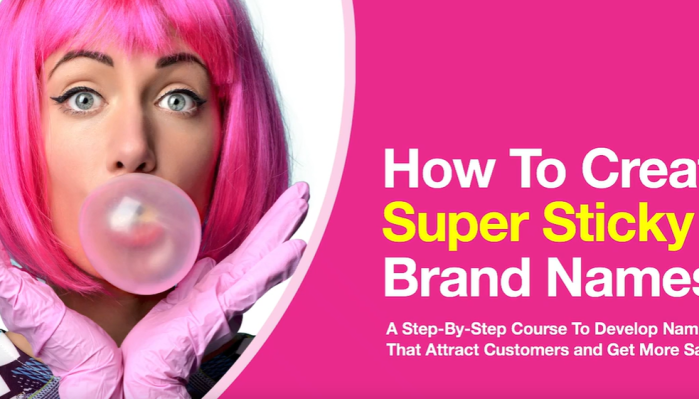


Introduction: Why Brand Names Make or Break Businesses
In today’s hyper-competitive market, attention is currency—and your brand name is often the first transaction. A powerful name doesn’t just identify your business; it communicates value, builds trust, and creates emotional resonance. This is where Alexandra Watkins, the author of Hello, My Name Is Awesome, has revolutionized the branding landscape with her concept of creating super sticky brand names.
A “super sticky” name is one that people remember, pronounce, spell, and share effortlessly. It’s not just clever—it’s strategic. Businesses that understand this principle gain a significant advantage in marketing, word-of-mouth growth, and long-term brand equity.
What Are Super Sticky Brand Names?
A super sticky brand name is one that embeds itself into the audience’s mind instantly and stays there. It’s easy to recall, emotionally engaging, and functionally effective. According to Alexandra Watkins, great names are not accidental—they are engineered.
A sticky name should:
- Be easy to pronounce and spell
- Evoke positive emotions
- Be distinctive and unique
- Align with your brand message
- Be legally and digitally available
Think of globally recognized brands. Their names are simple, yet powerful. That’s not luck—that’s strategy.
The SMILE & SCRATCH Framework
One of the most valuable contributions of Alexandra Watkins is her SMILE and SCRATCH test, a practical system for evaluating brand names.
SMILE: What Makes a Name Great
A winning name should make you SMILE:
S – Suggestive
It hints at what the brand offers. It gives context without being generic.
M – Meaningful
It resonates with your audience emotionally or logically.
I – Imagery
It creates a visual in the mind. Visual names are easier to remember.
L – Legs
It has growth potential. The name shouldn’t limit future expansion.
E – Emotional
It triggers a feeling—excitement, trust, curiosity, or joy.
SCRATCH: What to Avoid
Bad names fail the SCRATCH test:
S – Spelling Challenged
If people can’t spell it, they won’t find it.
C – Copycat
Imitating competitors weakens your identity.
R – Restrictive
Names that box you into a niche can hurt scalability.
A – Annoying
Forced cleverness or complexity turns people away.
T – Tame
Boring names are forgettable.
C – Curse of Knowledge
Internal jargon confuses customers.
H – Hard to Pronounce
If people hesitate to say it, they won’t share it.
The Psychology Behind Sticky Names
Human brains are wired for simplicity and emotion. Names that are:
- Short
- Rhythmic
- Familiar-sounding
- Emotionally charged
…are more likely to stick.
For example, names with alliteration or repetition are easier to remember. Names that create mental imagery are processed faster. Alexandra Watkins emphasizes that your name should work with the brain, not against it.
The Business Impact of a Strong Brand Name
A great brand name is not just about aesthetics—it directly impacts your bottom line.
1. Higher Recall = More Sales
Customers remember your brand easily, increasing repeat purchases.
2. Better Word-of-Mouth Marketing
If people can say it, they can share it.
3. Stronger First Impressions
A powerful name builds instant credibility.
4. SEO & Discoverability
Simple, unique names are easier to search and rank.
5. Brand Longevity
Timeless names grow with your business instead of holding it back.
Common Mistakes Entrepreneurs Make
Despite its importance, naming is often rushed or overlooked. Here are the biggest mistakes:
Overcomplicating the Name
Trying too hard to be unique often results in confusion.
Using Trendy Buzzwords
Trends fade quickly, making your brand outdated.
Ignoring Audience Perspective
What makes sense internally may confuse customers.
Skipping Validation
Not checking domain availability or trademarks can lead to costly rebranding.
Prioritizing Personal Preference Over Strategy
A name should serve the audience—not just the founder’s taste.
How to Create a Super Sticky Brand Name
Creating a strong name is a process. Here’s a structured approach inspired by Alexandra Watkins:
Step 1: Define Your Brand Identity
Understand your:
- Target audience
- Core values
- Unique selling proposition
Step 2: Brainstorm Broadly
Generate as many ideas as possible. Don’t filter too early.
Step 3: Apply the SMILE Test
Shortlist names that meet the SMILE criteria.
Step 4: Eliminate Using SCRATCH
Remove names that fail the SCRATCH test.
Step 5: Test in Real Life
Say it out loud. Share it with others. Check reactions.
Step 6: Check Availability
Ensure domain, social handles, and trademarks are available.
Step 7: Make the Final Decision
Choose the name that balances creativity and strategy.
Real-World Examples of Sticky Names
Let’s break down why some names work so well:
Simple & Suggestive
Names that subtly hint at their function without being generic.
Emotional & Memorable
Names that create a feeling or story.
Easy to Say & Share
If it rolls off the tongue, it spreads faster.
These brands succeed because they follow the principles Alexandra Watkins teaches—not because they got lucky.
The Role of Creativity in Naming
While frameworks are essential, creativity is what brings names to life. The best names often come from:
- Word combinations
- Metaphors
- Misspellings (when done correctly)
- Invented words
However, creativity must always serve clarity. A clever name that confuses is a failed name.
Naming for the Digital Age
In today’s online world, your brand name must also function digitally.
Domain Availability
A clean, simple domain increases credibility.
Social Media Handles
Consistency across platforms is crucial.
Search Engine Visibility
Unique names perform better in search results.
Voice Search Compatibility
Names should be easy to pronounce and recognize by voice assistants.
Why Investing in Naming Matters
Many businesses spend heavily on marketing but overlook naming. This is a mistake.
A weak name:
- Increases marketing costs
- Reduces brand recall
- Creates confusion
A strong name:
- Amplifies marketing efforts
- Builds trust faster
- Reduces long-term branding costs
Naming is not an expense—it’s an investment.
Final Thoughts: Build a Name That Sticks Forever
A brand name is more than a label—it’s the foundation of your identity. By applying the principles of Alexandra Watkins, you can create a name that doesn’t just exist—but thrives.
A super sticky brand name:
- Connects emotionally
- Communicates clearly
- Scales effortlessly
- Stays memorable for years
In a world full of noise, the right name cuts through everything. It becomes your strongest marketing asset, your first impression, and your lasting legacy.
So don’t rush the process. Take the time to craft a name that truly represents your vision—and watch how it transforms your brand’s future.