

The Ultimate Guide to Building Consistent Brand Visuals with AI
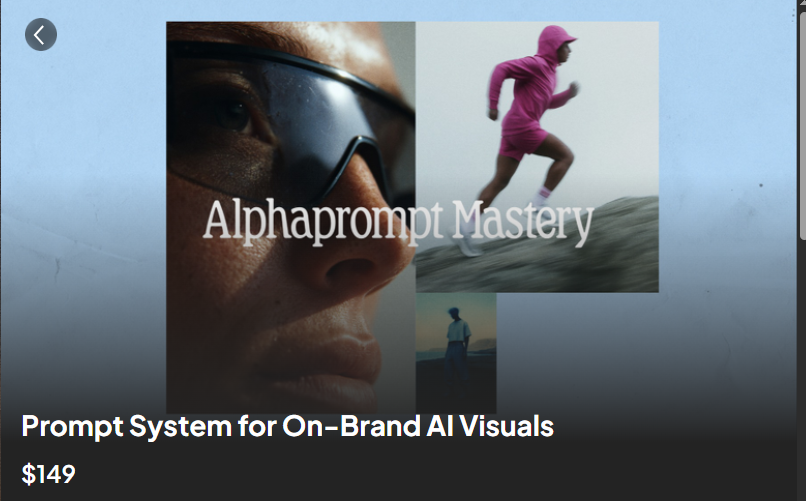
Every brand today is expected to communicate visually—fast, consistently, and across multiple channels. With AI advancing rapidly, businesses no longer rely on long production cycles to create on-brand graphics. Instead, they use structured prompting systems that replicate brand personality across every asset. One such approach, Ohneis – Prompt System for On-Brand AI Visuals, represents the next level of intelligent design workflow, helping brands maintain a unified identity even at scale.
This guide breaks down how on-brand AI visuals work, how prompt systems shape creative output, and how anyone—from solopreneurs to agencies—can transform their visual presence using a reliable AI-driven process.
1. Why On-Brand Visuals Matter Today
1.1 Instant Visual Recognition
1.2 AI Has Changed How Brands Create
Traditional design workflows are slow:
Shoot photos
Edit
Design
Publish
AI allows teams to generate dozens of high-quality assets in minutes. But without rules, AI visuals can feel random or disconnected from the brand. A defined prompt system solves this issue completely.
2. Understanding AI-Driven Brand Systems
2.1 What Is a Prompt System?
A prompt system is a structured way of instructing AI so it always creates content aligned with brand values, tone, and aesthetic.
It includes:
Brand descriptors
Style rules
Color preferences
Lighting instructions
Mood and personality
Image composition
Story cues
Format templates
Think of it as your brand’s “creative brain” inside the AI.
2.2 Why Every Brand Needs Structured Prompts
AI is powerful but needs clarity. A good system:
Eliminates inconsistency
Reduces trial-and-error
Saves massive time
Makes visuals instantly recognizable
Enables teams to produce at scale
Without a structured approach, AI visuals often look generic.
3. Building the Foundation: Brand Identity Inputs
3.1 Brand Personality and Voice
Start with three key descriptions:
Tone (bold, soft, friendly, luxury, minimal)
Emotion (inspiring, energetic, calm, trustworthy)
Visual vibe (editorial, cinematic, playful, futuristic)
3.2 Color and Mood Selection
Your color palette guides lighting, environment, styling, and visual hierarchy.
Example guidelines:
Dominant brand color
Supporting tones
Text/background contrast
Saturation level
Warm or cool mood
3.3 Composition Rules
Define how your visuals should feel:
Close-ups or wide shots
Symmetry or dynamic angles
Minimal or detailed backgrounds
Clean space vs. busy layouts
3.4 Brand Story Themes
AI works best when it “knows” what story to tell.
Examples:
Innovation
Heritage
Elegance
Adventure
Sustainability
Story consistency is key.
4. Advanced Prompt Engineering for Brand Visuals
4.1 Structure Your Prompts Like This
A professional-grade prompt system includes:
4.2 Add Creative Rules
Examples:
Use soft shadows only
No harsh highlights
Keep backgrounds minimal
Maintain brand palette in every generation
4.3 Use Negative Prompting
Tell AI what NOT to generate:
No distortion
No inconsistent lighting
No irrelevant objects
No random characters
This creates cleaner, more controlled results.
5. Developing a Signature Visual Language
5.1 Consistent Aesthetic Themes
Brands thrive when they choose one main aesthetic direction, such as:
Minimal luxury
Organic natural textures
Cinematic contrast
Playful pastel imagery
Futuristic neon lighting
5.2 Style Uniformity Across Platforms
Your AI visuals should look unified across:
Instagram posts
Reels/shorts thumbnails
Website banners
Ads
Product mockups
Email graphics
5.3 Repetition Builds Recognition
Humans remember patterns.
Structured prompts ensure:
Repeated color tones
Predictable framing
Identical lighting rules
Clear visual identity
This is the same method global brands use.
6. Workflow for AI Visual Production
6.1 Step-by-Step Workflow
Step 1: Define Brand Inputs
Gather palette, mood boards, fonts, example images.
Step 2: Build Prompt Templates
Separate templates for:
Product shots
Lifestyle imagery
Social media content
Ads and campaigns
Step 3: Run Sample Generations
Produce 20–50 images to ensure consistency.
Step 4: Refine Prompt Rules
Adjust lighting, colors, and composition until your images match the brand identity.
Step 5: Create a Visual Library
Organize images into:
Seasonal collections
Campaign-specific folders
Format-based categories
Step 6: Automate and Scale
Once established, teams can generate hundreds of assets weekly.
7. Real-World Uses of AI Brand Visuals
7.1 For Small Businesses
Small brands can look premium without expensive shoots.
Use cases:
Social media posts
Ads
Product lifestyle shots
Storytelling visuals
7.2 For Agencies
Agencies can create:
Complete brand kits
Pitch decks
Campaign visuals
Rapid mockups
7.3 For Creators & Coaches
Consistent brand visuals build authority and trust.
7.4 For Ecommerce
Generate studio-quality product images:
Flat lays
Lifestyle settings
Color variants
Promotional banners
8. Ensuring Visual Consistency Across AI Tools
8.1 Cross-Tool Compatibility
Your prompt system should work on:
Midjourney
DALL·E
Stable Diffusion
Firefly
Runway
Each platform interprets style cues differently, but a robust system maintains consistency.
8.2 Save a “Brand Style File”
Store:
Prompt templates
Negative prompts
Color hex codes
Lighting rules
Example outputs
Anyone on the team can replicate the brand aesthetic instantly.
9. Combining AI Visuals with Human Creativity
9.1 Human Direction, AI Execution
The best results come from:
Human creative ideas
AI speed
Clear brand identity
Strategic storytelling
9.2 Avoiding Generic AI Look
Use:
Authentic textures
Realistic composition
Human emotion cues
Genuine brand story elements
This prevents the “AI-ish” feel and makes your visuals stand out.
10. Measuring Visual Branding Success
10.1 Engagement Metrics
Track:
Click-through rates
Saves and shares
Interaction growth
Conversion improvements
10.2 Brand Recognition Tests
Compare:
Before vs. after visual consistency
Customer feedback
Audience recall surveys
10.3 Content Production Efficiency
Most brands reduce production time by 60–90% with a prompt system.
11. The Future of AI Brand Visuals
AI visuals are evolving toward:
Fully automated brand campaigns
Real-time content personalization
Hyper-consistent 3D product renderings
Instant social media adaptations
AI-driven brand storytelling engines
Businesses adopting structured prompt systems today will dominate tomorrow’s visual landscape.
12. Final Thoughts
A strong AI-driven brand visual system is no longer optional—it’s a necessity for modern businesses. With the right structure, prompts, consistency rules, and creative direction, anyone can produce visuals that feel premium, aligned, and instantly recognizable.
The true power lies in turning your brand’s personality into clear instructions the AI understands. When done right, your visuals remain consistent across every platform, style, and campaign—no designer bottlenecks, no scattered identity, and no creative delays.